Sora 2 vs Veo 3
OpenAI's Sora 2 and Google DeepMind's Veo 3 are the two most searched-for AI video models. We compared them across realism, fidelity, audio, clip length, and availability so you can pick the right one for each job.
The bottom line
For new projects in 2026, Veo 3.1 is the safer default: it outputs native 4K with richer audio, and Google is actively developing the Veo family while OpenAI sunsets Sora. Sora 2 still wins on physics realism and long single takes, but the API shuts down on September 24, 2026, so nothing built on it lasts. In VideoGen you do not have to commit: every generation is routed to the best available model for your prompt.
The two models at a glance
Sora 2
OpenAI · Released September 2025
Sora 2 is OpenAI's video generation model, known for physics-accurate motion and believable real-world dynamics. It generates clips of up to 20 seconds (25 seconds on Sora 2 Pro) with synchronized audio. OpenAI announced in March 2026 that Sora is being sunset: the consumer app shut down in April 2026, and the API is scheduled to shut down on September 24, 2026.
Strengths
- Best-in-class physics and motion realism
- Long single generations of up to 20 to 25 seconds
- Synchronized dialogue and sound in the same pass
- Strong at imaginative scenes that could not be filmed
Limitations
- Resolution tops out at 720p (1080p on Sora 2 Pro)
- Being sunset by OpenAI; the API shuts down September 24, 2026
- No native 4K path for high-end deliverables
Veo 3
Google DeepMind · Released May 2025; Veo 3.1 followed in October 2025
Veo 3 is Google DeepMind's cinematic video model and one of the first to generate synchronized audio, dialogue, and ambience alongside the footage. Its successor Veo 3.1 raises output to native 4K with 48kHz audio, adds reference images for image-to-video, and supports scene extension for sequences beyond a single 8-second clip. The Veo family is actively developed.
Strengths
- Polished, film-like footage with strong detail
- Native 4K output and 48kHz audio on Veo 3.1
- Scene extension chains clips into minute-plus sequences
- Actively developed with a clear roadmap
Limitations
- Base clips are 8 seconds, shorter than a single Sora 2 take
- Physics in fast, complex action can trail Sora 2
What independent benchmarks say
Artificial Analysis Text to Video Arena (with audio)
Elo scores come from blind human preference votes in the Artificial Analysis Video Arena: voters compare two videos from the same prompt without knowing which model made each. Sora 2 no longer appears on the current-models leaderboard; Artificial Analysis retired it after OpenAI announced the Sora sunset. The Veo 3.1 family remains ranked, with Veo 3.1 Fast delivering near-flagship quality at less than half the flagship price.
Source: Artificial Analysis · Retrieved August 2026
Sora 2 vs Veo 3: head-to-head scores
Motion and physics realism
Sora 2 built its reputation on physics-accurate motion: collisions, fluids, and body mechanics hold up under scrutiny. Veo 3 is close and very strong on cinematic camera moves, but fast, complex action can drift.
Visual fidelity and resolution
Sora 2 outputs 720p, or 1080p on Sora 2 Pro. Veo 3 delivers 1080p, and Veo 3.1 generates native 4K, which matters for ads, broadcast, and anything shown on large screens.
Native audio and dialogue
Both generate synchronized dialogue and sound effects in the same pass. Veo 3.1's 48kHz audio is cleaner and lip sync is slightly more reliable across our test prompts.
Clip length and extensibility
Sora 2 generates up to 20 seconds (25 on Pro) in one take, the longest single generation of any frontier model. Veo clips are 8 seconds, but Veo 3.1's scene extension chains segments into sequences of a minute or more.
Input flexibility
Both accept text and image prompts in 16:9 and 9:16. Veo 3.1 adds reference images, so you can lock a character or product across shots, which Sora 2 has no equivalent for.
Availability and roadmap
OpenAI is sunsetting Sora: the consumer app closed in April 2026 and the API shuts down September 24, 2026. The Veo family is actively developed, with Veo 3.1 shipping major upgrades within five months of Veo 3.
Scores are VideoGen's editorial assessment on a 0 to 10 scale, based on published model specs and our own test generations. Model capabilities change quickly; we update this page as new versions ship.
Specs compared
| Spec | Sora 2 | Veo 3 |
|---|---|---|
| Provider | OpenAI | Google DeepMind |
| Release | September 2025 | May 2025 (Veo 3.1: October 2025) |
| Max clip length | 20 seconds (25 seconds on Sora 2 Pro) | 8 seconds, extendable with scene extension on Veo 3.1 |
| Max resolution | 720p (1080p on Sora 2 Pro) | 1080p (native 4K on Veo 3.1) |
| Native audio | Yes, synchronized dialogue and sound | Yes; 48kHz dialogue and effects on Veo 3.1 |
| Aspect ratios | 16:9, 9:16 | 16:9, 9:16 |
| Input types | Text and image | Text, image, and reference images (Veo 3.1) |
| Availability | API sunsets September 24, 2026 | Actively developed |
Example outputs, side by side
Real prompts and real outputs, generated in VideoGen without cherry-picking.
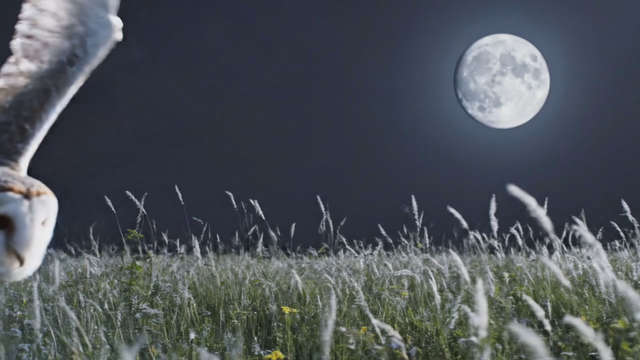
“Nature documentary shot of a barn owl gliding silently over a moonlit meadow, slow motion feather detail, hushed narrator tone ambience”
Generated with Veo 3.1 in VideoGen
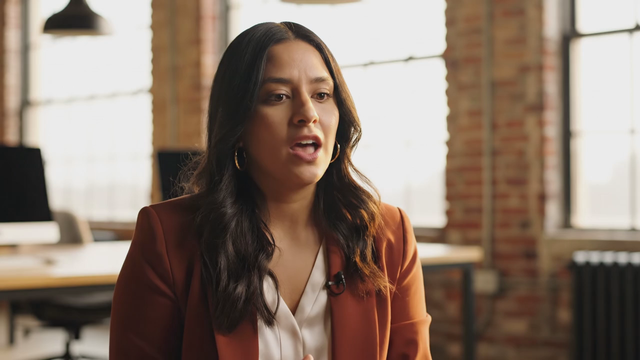
“Documentary-style interview: a founder in a bright loft office says 'We didn't set out to build a company, we set out to fix a problem', natural window light, shallow depth of field”
Generated with Veo 3.1 in VideoGen
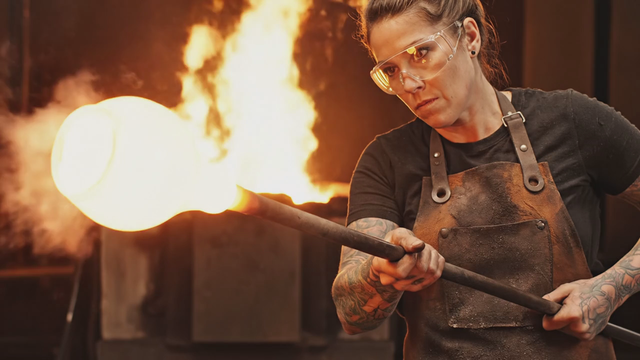
“Macro cinematic shot inside a glassblowing workshop: molten glass glows and stretches as the artisan shapes a vase, furnace roar and crackle”
Generated with Veo 3.1 in VideoGen
Which model should you use?
| Use case | Our pick | Why |
|---|---|---|
| Cinematic ads and brand films | Veo 3 | Native 4K on Veo 3.1 and polished, film-like detail hold up on large screens and in paid placements. |
| Physics-heavy action and stunts | Sora 2 | Sora 2's motion realism keeps collisions, fluids, and athletic movement believable where other models break. |
| Dialogue-driven scenes | Veo 3 | Veo 3.1's 48kHz audio and more reliable lip sync make talking shots cleaner with less retrying. |
| Long single-shot takes | Sora 2 | A 20 to 25 second single generation preserves continuity that stitched 8-second clips can lose. |
| Consistent characters across shots | Veo 3 | Reference images on Veo 3.1 lock a character or product across generations; Sora 2 has no equivalent. |
| Anything shipping after September 2026 | Veo 3 | The Sora API shuts down on September 24, 2026, so new pipelines should not depend on it. |
“VideoGen is awesome for scaling video production and improving turnaround time... The complex process of video editing, which could take days or months, now takes minutes!”
“VideoGen solves the biggest pain points of video production—complexity, cost, and time. In just a few clicks, anyone can create professional, copyright-free videos.”
“VideoGen is the most underrated tool for content creators who want to put out the highest quality content in the shortest amount of time.”
Frequently asked questions
You do not have to choose
Every VideoGen quality tier routes each request to the best model for your prompt, based on internal evals, compliance requirements, and your intent. Sora-style realism, Veo-grade fidelity, and whatever comes next, from one tool.
One prompt, the best model
Describe the clip and pick a quality tier. VideoGen picks the model that wins for that kind of shot, so you get comparison-page knowledge applied automatically.
Never stranded by a sunset
When a provider retires a model, like OpenAI sunsetting Sora, your workflow does not break. Routing shifts to the current state of the art and MAX always integrates the newest frontier models.
Clips become finished videos
Generated clips land directly in VideoGen workflows, where narration, captions, music, and editing turn them into complete videos ready to publish.
Get Sora-style and Veo-grade output in one place.
Sign in to generate video clips with automatic model routing, then build them into finished videos.
Related AI video models
- SoraAI video generation for high-fidelity motion
- Sora 2 PromptsSora 2 prompt library for current AI video models
- Best AI Video ModelsThe best AI video models in 2026, ranked and benchmarked
- Veo 3Professional AI video generation for polished clips
- Veo 3.1Next-generation AI video with improved realism and audio
- Veo 3 PromptsCopy-paste Veo 3 prompts with real generated outputs